
Does Removing Wisdom Teeth Change Your Jawline? The Truth Dentists Won't Tell You
 Does Removing Wisdom Teeth Change Your Jawline
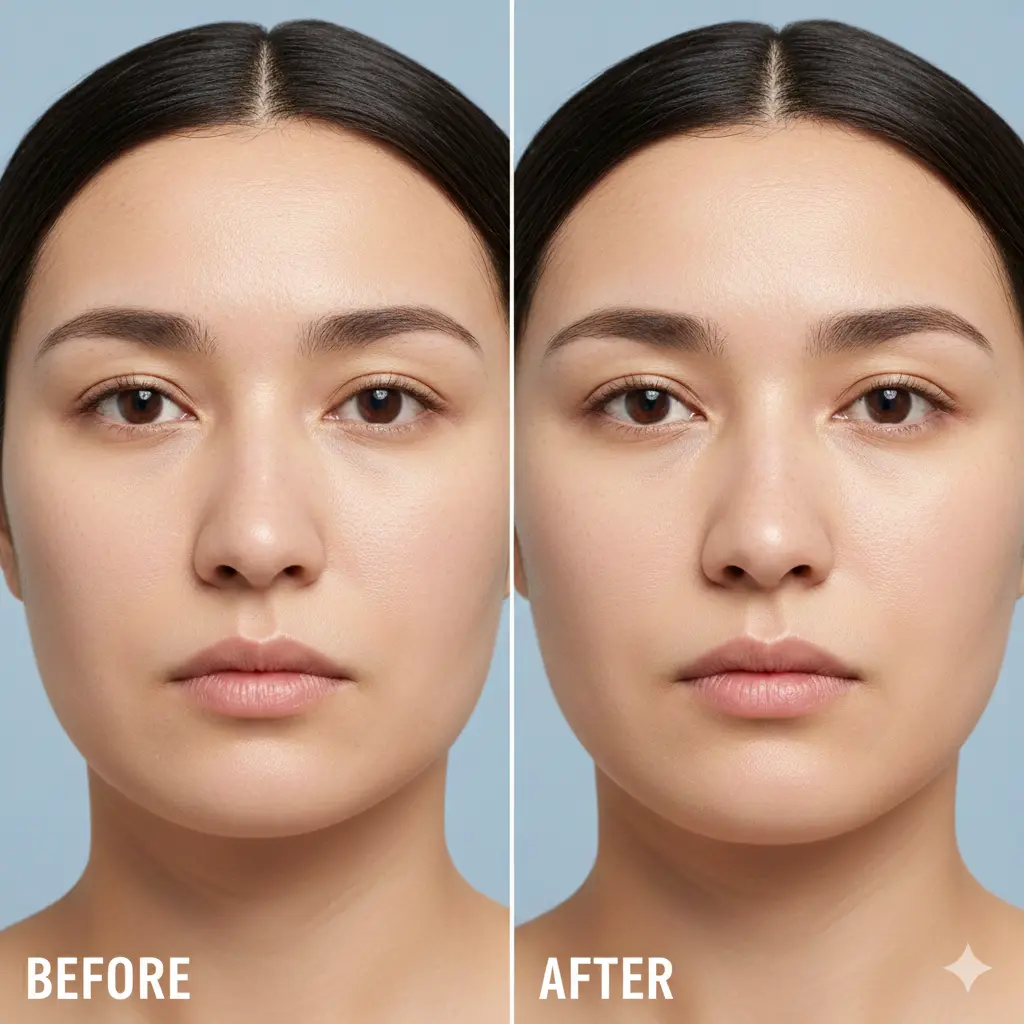
You've probably seen those viral before-and-after photos. Someone gets their wisdom teeth out, and suddenly their face looks slimmer, more defined. Their jawline seems sharper. Is this real? Or just clever camera angles?
If you're about to have wisdom teeth removed—or recently had them out—you might be worried. Will your face change permanently? Will you lose that strong jawline you've worked so hard for?
Here's what most dentists don't explain clearly: wisdom teeth removal does NOT change your actual jawbone shape. But the swelling and healing process can temporarily alter how your face looks for weeks or even months.
Let's break down exactly what happens to your face after wisdom teeth extraction—backed by dental science, not TikTok myths.
Quick Check: Curious about your current facial symmetry? Take our free Face Symmetry Test to see your baseline before any dental procedure.
Part 1: Why People Think Wisdom Teeth Affect the Jawline
 Why People Think Wisdom Teeth Affect the Jawline
The Confusion Between Two Different Bones
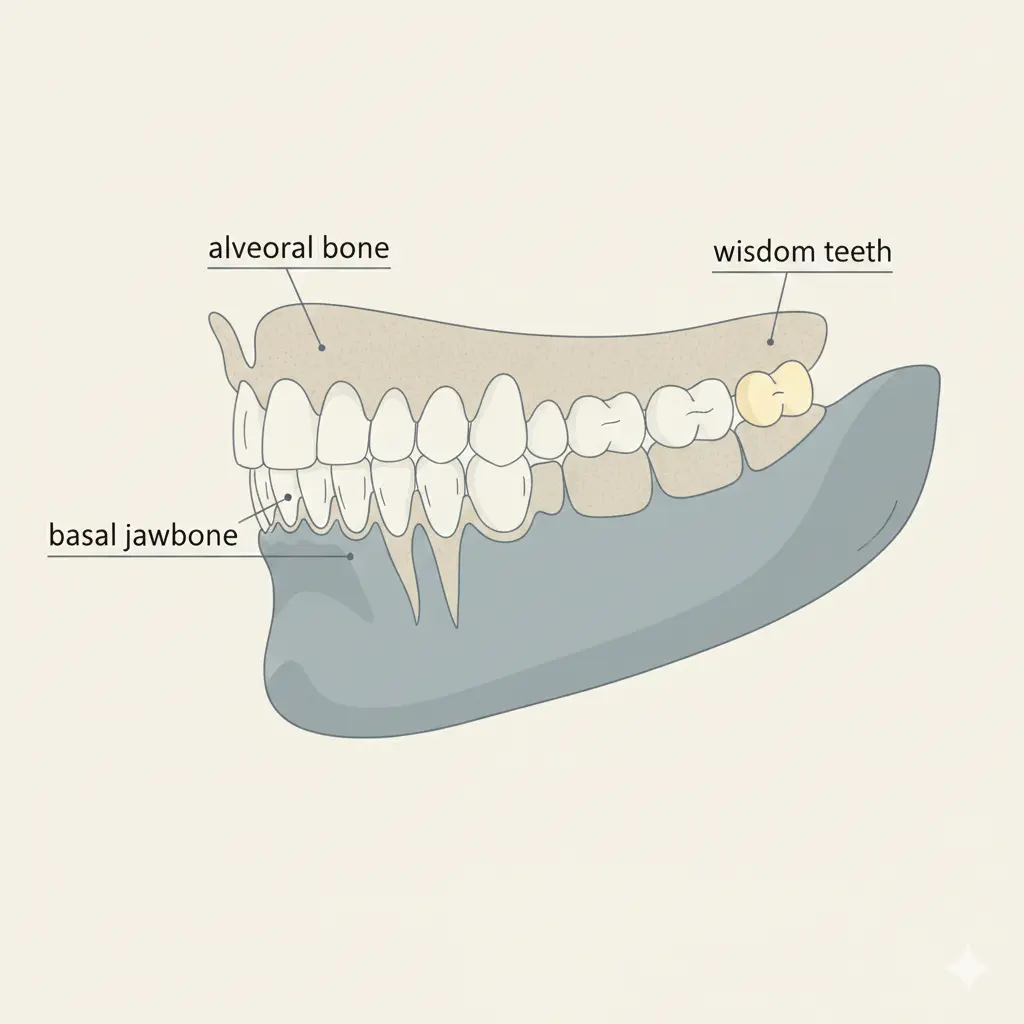
Here's the key insight most people miss: your jaw actually has two distinct parts.
1. Alveolar Bone (The Tooth-Holding Part) This is the spongy bone that surrounds and supports your teeth. When you lose a tooth—any tooth—this bone gradually shrinks. It's designed to hold teeth, so without them, it remodels itself smaller.
2. Basal Jawbone (Your Actual Jawline) This is the dense, structural bone that gives your face its shape. It forms the angle of your jaw, your chin, and the overall contour you see in the mirror. This bone does NOT change when wisdom teeth are removed.
When wisdom teeth come out, only a tiny portion of alveolar bone in the very back of your mouth is affected. This area is so far back that it has zero impact on your visible jawline.
What About Those Viral Photos?
Those dramatic before-and-after transformations you see online? They're usually explained by:
- Post-surgery swelling: Your face can stay puffy for 2-4 weeks
- Weight loss: Many people eat less during recovery
- Timing coincidence: Young adults' faces naturally mature during the same years they get wisdom teeth removed (ages 17-25)
- Camera angles and lighting: The classic social media trick
One Reddit user put it perfectly: "My face looked different after wisdom teeth removal... but then I realized I also lost 10 pounds from eating soup for two weeks."
Part 2: What Actually Happens After Wisdom Teeth Removal
The Swelling Timeline
 The Swelling Timeline
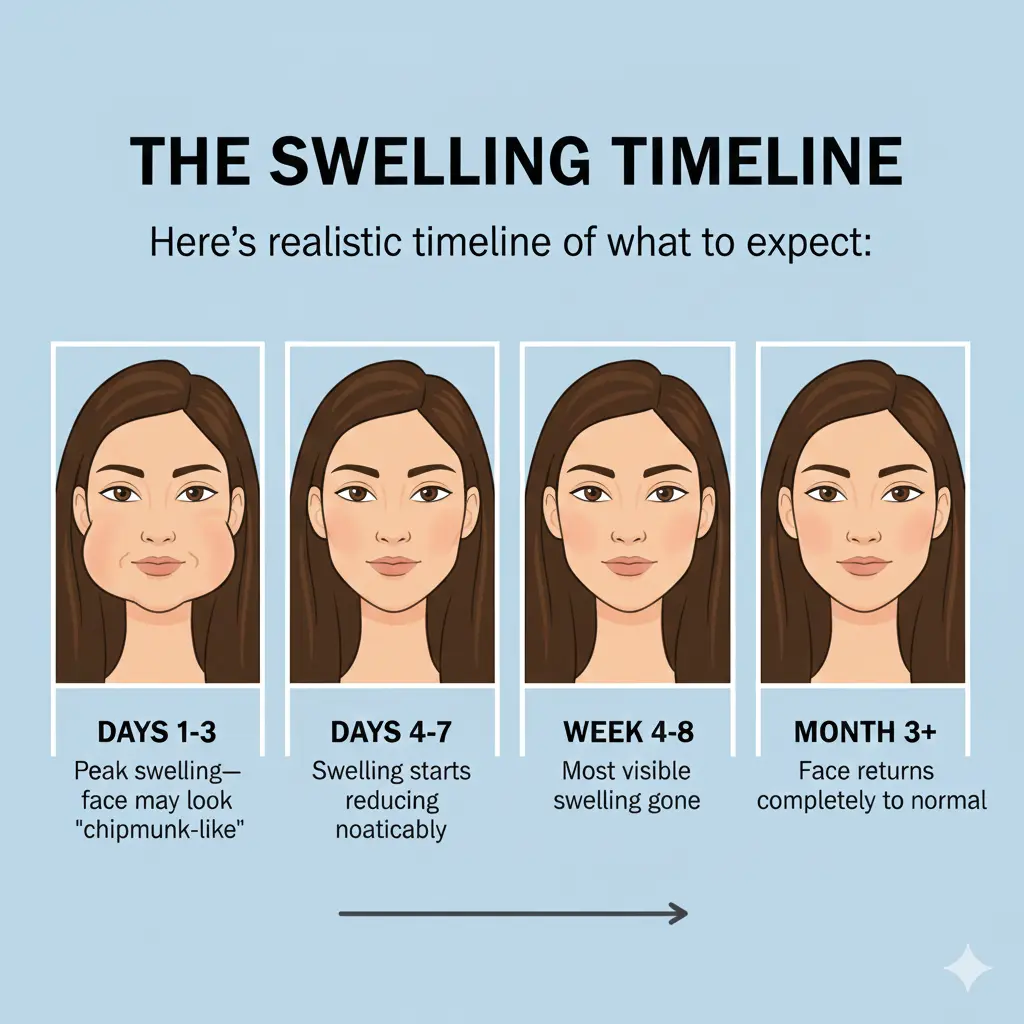
Here's a realistic timeline of what to expect:
| Timeframe | What You'll See |
|---|---|
| Days 1-3 | Peak swelling—face may look "chipmunk-like" |
| Days 4-7 | Swelling starts reducing noticeably |
| Week 2-3 | Most visible swelling gone |
| Week 4-8 | Subtle fullness may linger |
| Month 3+ | Face returns completely to normal |
This temporary swelling is NOT bone change. It's soft tissue inflammation from surgery. Once healed, your jawline returns to exactly what it was before.
How Impaction Level Affects Your Swelling
Not all wisdom teeth extractions are equal. The more impacted your tooth, the more dramatic (but still temporary) your facial changes will be:
| Impaction Type | Description | Expected Swelling | Recovery Time |
|---|---|---|---|
| Erupted | Tooth fully visible above gum | Minimal | 3-5 days |
| Soft Tissue Impacted | Covered by gum only | Moderate | 1-2 weeks |
| Partial Bony Impacted | Partially trapped in jawbone | Significant | 2-3 weeks |
| Full Bony Impacted | Completely encased in bone | Severe | 3-4 weeks |
If your oral surgeon mentions "full bony impaction," expect more swelling and a longer recovery. But here's the key point: the final result is identical regardless of impaction level. Your face returns to its original shape—it just takes longer with more complex extractions.
Many people with severely impacted wisdom teeth panic when they see dramatic swelling at day 3. This is completely normal. The more bone and tissue manipulation required, the more your body's inflammatory response kicks in.
Can Wisdom Teeth Removal Make Your Face Slimmer?
 Can Wisdom Teeth Removal Make Your Face Slimmer?
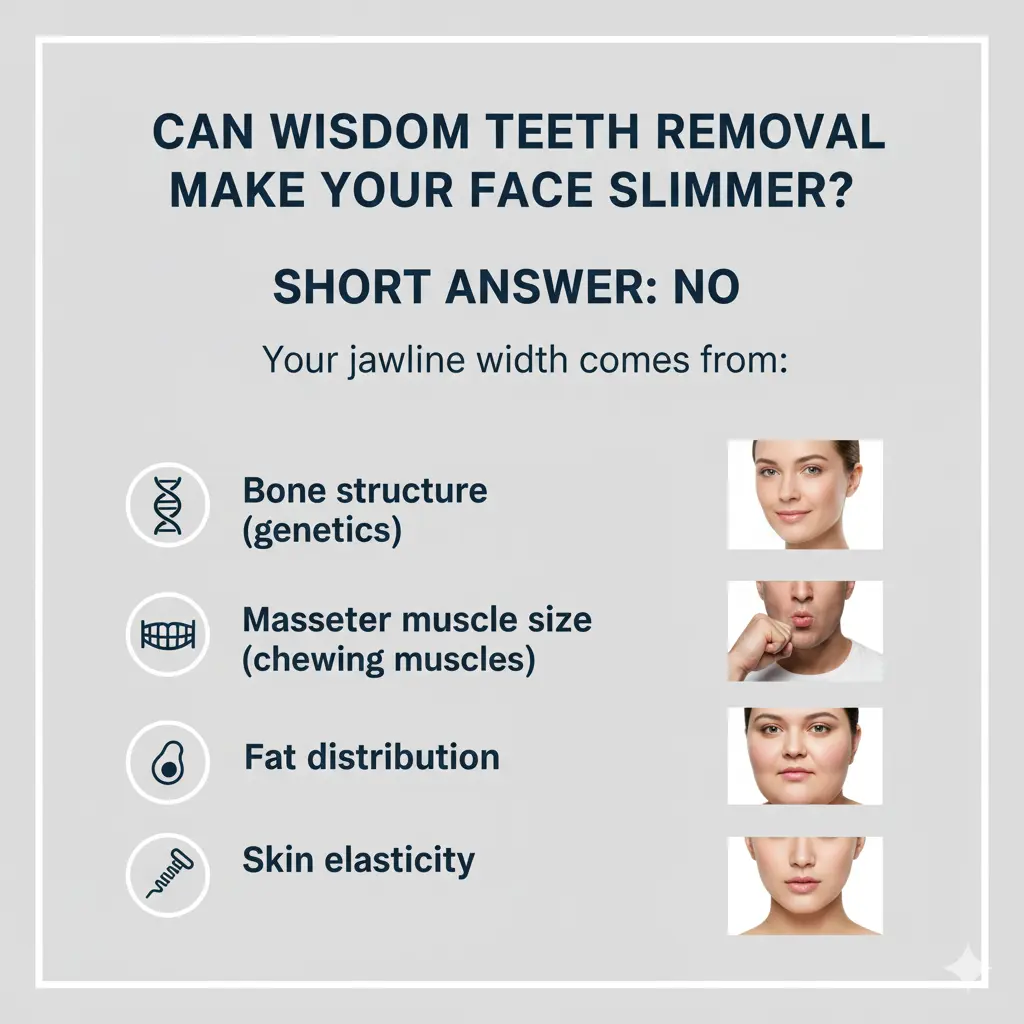
Short answer: No.
Can Wisdom Teeth Removal Make Your Face Slimmer?
Short answer: No.
Your jawline width comes from:
- Bone structure (genetics)
- Masseter muscle size (chewing muscles)
- Fat distribution
- Skin elasticity
Wisdom teeth sit so far back in your mouth that they don't influence any of these factors. Removing them won't slim your face any more than removing a toenail would change your shoe size.
However, if your wisdom teeth were severely impacted and causing chronic inflammation, removing them might reduce some subtle puffiness in the back jaw area. But this is inflammation reduction, not bone change.
The Masseter Muscle Factor
Here's something interesting: if wisdom teeth removal leads to weeks of soft-food diets, you might notice your jaw muscles (masseters) temporarily shrinking from reduced chewing.
This can make your lower face appear slightly slimmer—but it's muscle atrophy, not bone change. Once you return to normal eating, your chewing muscles rebuild within weeks.
Want to understand more about jaw muscles and facial shape? Check out our guide on how to fix an uneven jawline.
Age Matters: Recovery at 20 vs 35
Your age significantly affects how long your face looks "different" after wisdom teeth removal—but not the final outcome.
Younger patients (17-25):
- Faster healing due to better blood supply
- Less dense bone = easier extraction = less trauma
- Swelling typically resolves 30-40% faster
- Bone and soft tissue regenerate more quickly
Older patients (30+):
- Fully developed roots make extraction more complex
- Denser bone requires more surgical manipulation
- Swelling may persist 1-2 weeks longer
- Higher chance of temporary numbness (paresthesia)
This is why many oral surgeons recommend removing wisdom teeth in the late teens or early twenties—not because of facial structure concerns, but because recovery is simply easier.
If you're over 30 and your face still looks swollen at week 4, don't panic. You're not experiencing permanent change; your body just needs more time to heal.
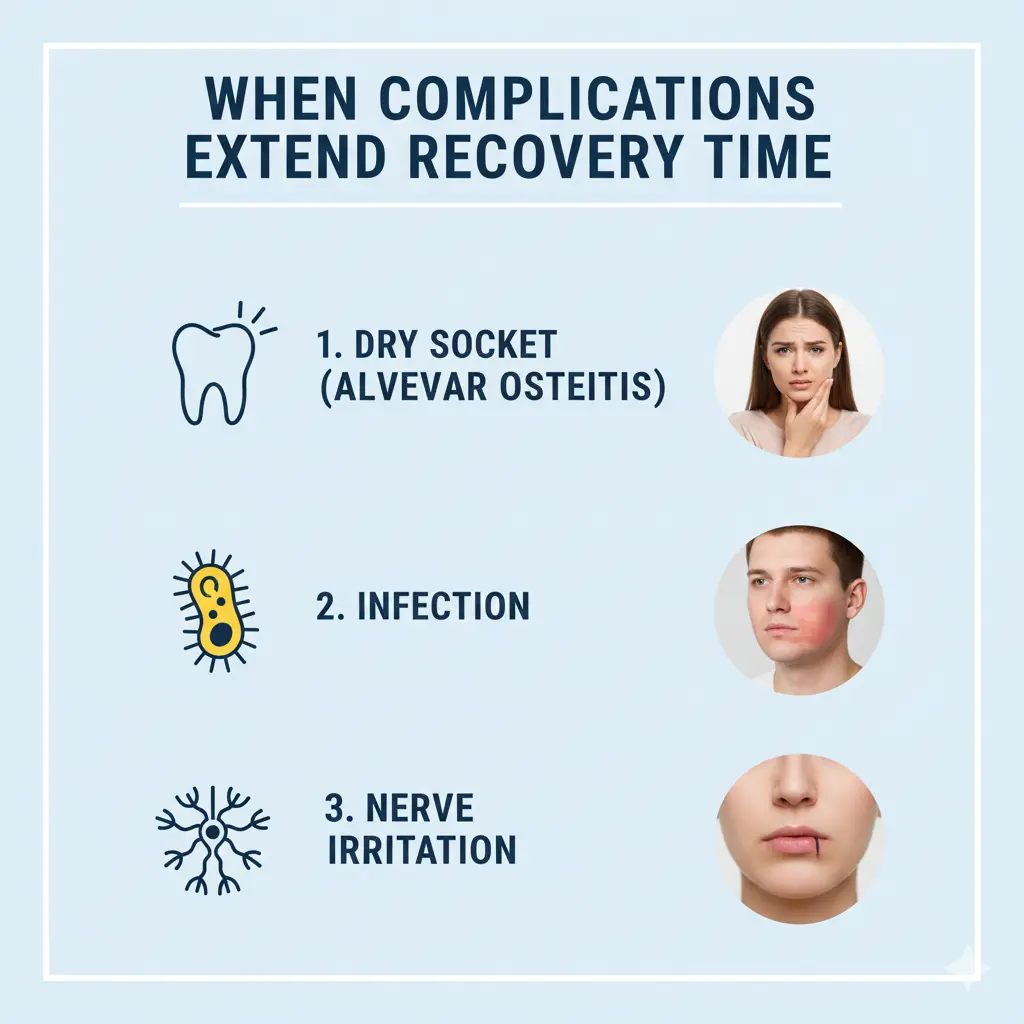
When Complications Extend Recovery Time
 When Complications Extend Recovery Time
Sometimes recovery takes longer than expected. Here's what can delay your face returning to normal:
When Complications Extend Recovery Time
Sometimes recovery takes longer than expected. Here's what can delay your face returning to normal:
Dry Socket (Alveolar Osteitis)
- Occurs when the blood clot dislodges from the extraction site
- Causes intense pain and can extend swelling by 1-2 weeks
- Does NOT cause permanent facial changes
Infection
- Signs: Increasing swelling after day 4, fever, pus discharge
- May require antibiotics and extend recovery by 2-3 weeks
- Temporary only—face returns to normal after treatment
Nerve Irritation
- Can cause temporary numbness or tingling in lip/chin
- Usually resolves within weeks to months
- Does not affect facial shape or jawline
If you experience any of these, see your oral surgeon. But rest assured: even with complications, your jawline structure remains unchanged.
Part 3: Real Cases and What the Research Says
What Dental Research Tells Us
A systematic review of facial changes after third molar (wisdom tooth) extraction found:
- Zero significant change in cephalometric measurements (skull and jaw bone angles)
- Temporary soft tissue changes lasting 4-12 weeks
- No long-term impact on facial profile or proportions
The consensus among oral surgeons is clear: wisdom teeth removal is a soft tissue surgery that doesn't reshape your skeletal structure.
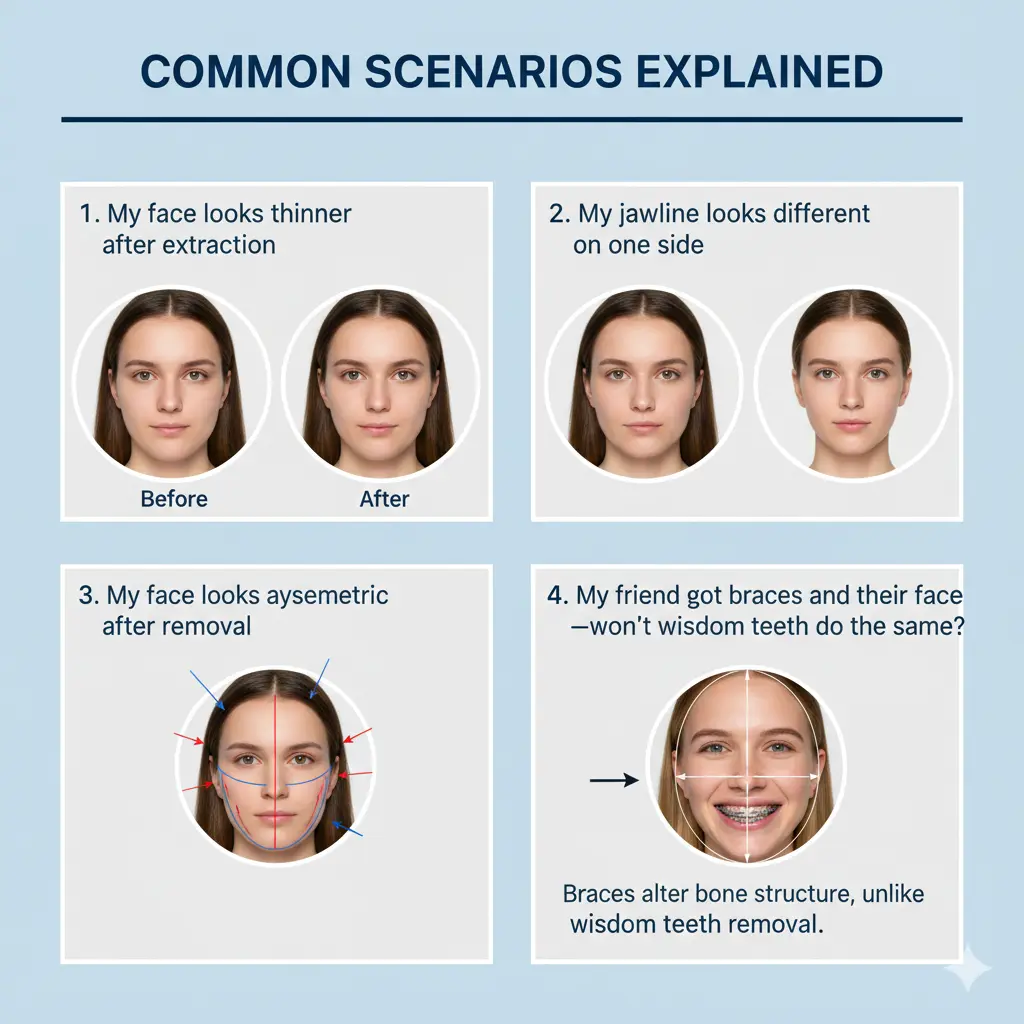
Common Scenarios Explained
 Common Scenarios Explained
Scenario 1: "My face looks thinner after extraction"
Common Scenarios Explained
Scenario 1: "My face looks thinner after extraction"
- Most likely cause: Post-surgery diet led to weight loss
- Other factors: Reduced swelling from previously impacted teeth
- Reality check: Take a photo 3 months post-surgery—face returns to baseline
Scenario 2: "My jawline looks different on one side"
- Most likely cause: Uneven swelling (common if one side was more impacted)
- Timeline: Should equalize within 4-6 weeks
- If it persists: See our article on why one side of your face looks different
Scenario 3: "My face looks asymmetric after removal"
- Most likely cause: You're noticing existing asymmetry more now
- Reality: Facial asymmetry is completely normal—everyone has it
- Fun fact: Photos vs. mirrors show your face differently too. Here's why
Scenario 4: "My friend got braces and their face changed—won't wisdom teeth removal do the same?"
This is a common confusion. Here's the key difference:
| Procedure | Can Change Face Shape? | Why? |
|---|---|---|
| Braces/Orthodontics | Potentially yes | Moves teeth over months/years, can alter lip support, bite position, and jaw alignment |
| Wisdom Teeth Removal | No | One-time extraction of back teeth that don't affect visible facial structure |
Braces work by applying continuous pressure to reposition teeth, which can subtly change how your lips rest and how your bite aligns. This is a gradual process happening over 1-2 years.
Wisdom teeth removal is a single surgical event that removes teeth from the very back of your mouth—teeth that have zero influence on your lip position, bite alignment, or visible jawline.
Curious about how orthodontics might affect your face? Read our detailed guide: Do Braces Change Your Jawline?
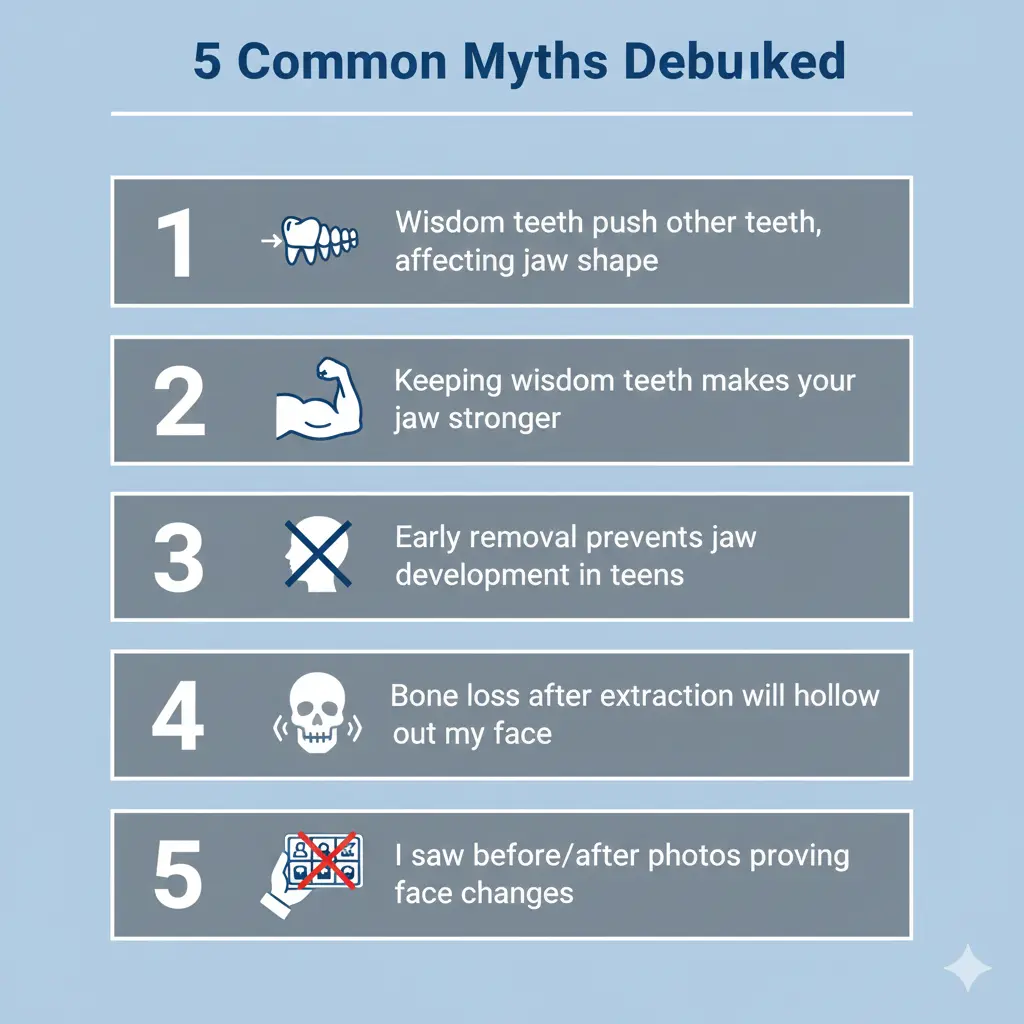
Part 4: 5 Common Myths Debunked
 Wisdom Teeth 5 Common Myths Debunked
Myth 1: "Wisdom teeth push other teeth, affecting jaw shape"
Truth: While impacted wisdom teeth can cause crowding, they don't physically push hard enough to reshape bone. Any movement affects tooth position, not jaw structure.
Myth 2: "Keeping wisdom teeth makes your jaw stronger"
Truth: Jaw strength comes from your basal jawbone and masseter muscles. Wisdom teeth contribute nothing to structural integrity.
Myth 3: "Early removal prevents jaw development in teens"
Truth: The jaw finishes most of its development by age 16. Wisdom tooth removal between ages 17-25 (the most common window) has no effect on ongoing jaw growth.
Myth 4: "Bone loss after extraction will hollow out my face"
Truth: The minimal alveolar bone resorption after wisdom tooth extraction happens in the very back of your mouth—invisible to anyone looking at your face.
Myth 5: "I saw before/after photos proving face changes"
Truth: Correlation isn't causation. Most wisdom teeth removal happens between ages 17-25, when faces naturally mature, lose baby fat, and develop more defined features. The surgery just happens to coincide with natural changes.
Your Action Plan: Before and After Wisdom Teeth Removal
Step 1: Document Your Baseline
Before your surgery, take standardized photos of your face:
- Front view (neutral expression)
- Both profile views (left and right)
- Slight smile
Use the same lighting and distance for all photos. Even better: use our Face Symmetry Test to get precise measurements you can compare later.
Step 2: Set Realistic Expectations
Know what's coming:
- Days 1-7: Significant swelling (this is normal and temporary)
- Weeks 2-4: Gradual return to normal appearance
- Month 3: Final result—should match your pre-surgery photos
If you notice changes beyond 3 months, they're likely due to other factors (weight change, aging, or simply noticing features you didn't before).
Step 3: Track Your Recovery
At the 3-month mark, retake your photos and compare. Better yet, run the Face Symmetry Test again to get objective measurements.
If you notice persistent asymmetry that concerns you, read our comprehensive guide on how to fix facial asymmetry.
The Bottom Line
Will wisdom teeth removal change your jawline? No. Not permanently.
Your visible jawline is determined by your basal jawbone, muscles, fat, and skin—none of which are affected by removing teeth that sit far back in your mouth.
What you WILL experience is temporary swelling and possibly some soft tissue changes during recovery. These resolve completely within weeks to months.
The best thing you can do? Document your face before surgery, understand that swelling is temporary, and trust that your jawline will return to normal.
Curious about your facial structure right now? Take free Face Symmetry Test to see exactly where you stand—it takes less than a minute and gives you real measurements to track over time.
📖 This article is part of our Complete Guide to Face Symmetry
Frequently Asked Questions
Does removing all 4 wisdom teeth change face shape?
No. Removing all four wisdom teeth has the same effect as removing one: temporary swelling followed by complete return to your normal appearance. The quantity removed doesn't matter because these teeth don't influence your visible facial structure.
How long does face swelling last after wisdom teeth removal?
Most visible swelling subsides within 2-3 weeks. However, subtle fullness can persist for 6-8 weeks. Complete healing of soft tissue typically occurs by 3 months.
Will my face look slimmer after wisdom teeth removal?
Not from the surgery itself. Any slimming effect is usually due to temporary weight loss from a soft-food diet or reduction of chronic inflammation if teeth were severely impacted. Your face returns to baseline once you resume normal eating.
Can wisdom teeth removal cause facial asymmetry?
No. However, temporary uneven swelling is common if one side was more impacted than the other. This equalizes within 4-6 weeks. If you notice persistent asymmetry, it was likely present before surgery—most people have some degree of natural facial asymmetry.
Should I worry about bone loss after wisdom teeth extraction?
The small amount of alveolar bone resorption that occurs after any tooth extraction happens in the socket area only. For wisdom teeth, this is so far back in your mouth that it has zero impact on your facial appearance or jawline shape.
At what age is wisdom teeth removal safest for the face?
Wisdom teeth removal is typically recommended between ages 17-25 when roots aren't fully formed, making extraction easier. This timing has no impact on facial structure—the jaw has largely finished developing by age 16.
Does impacted wisdom teeth removal cause more facial changes than regular extraction?
No permanent changes occur regardless of impaction level. However, fully bony impacted teeth require more surgical manipulation, leading to more swelling and longer recovery time (up to 4 weeks vs 1 week for erupted teeth). The final result is identical—your face returns to its original shape.
My swelling is uneven—will my face be permanently asymmetric?
Uneven swelling is completely normal, especially if one side had more complex impaction than the other. This does not indicate permanent asymmetry. Both sides heal at their own pace and typically equalize within 4-6 weeks. If asymmetry persists beyond 3 months, it was likely present before surgery and is unrelated to the extraction.