
Why Is One Eye Bigger Than the Other? Causes & How to Fix It
 Why Is One Eye Bigger Than the Other
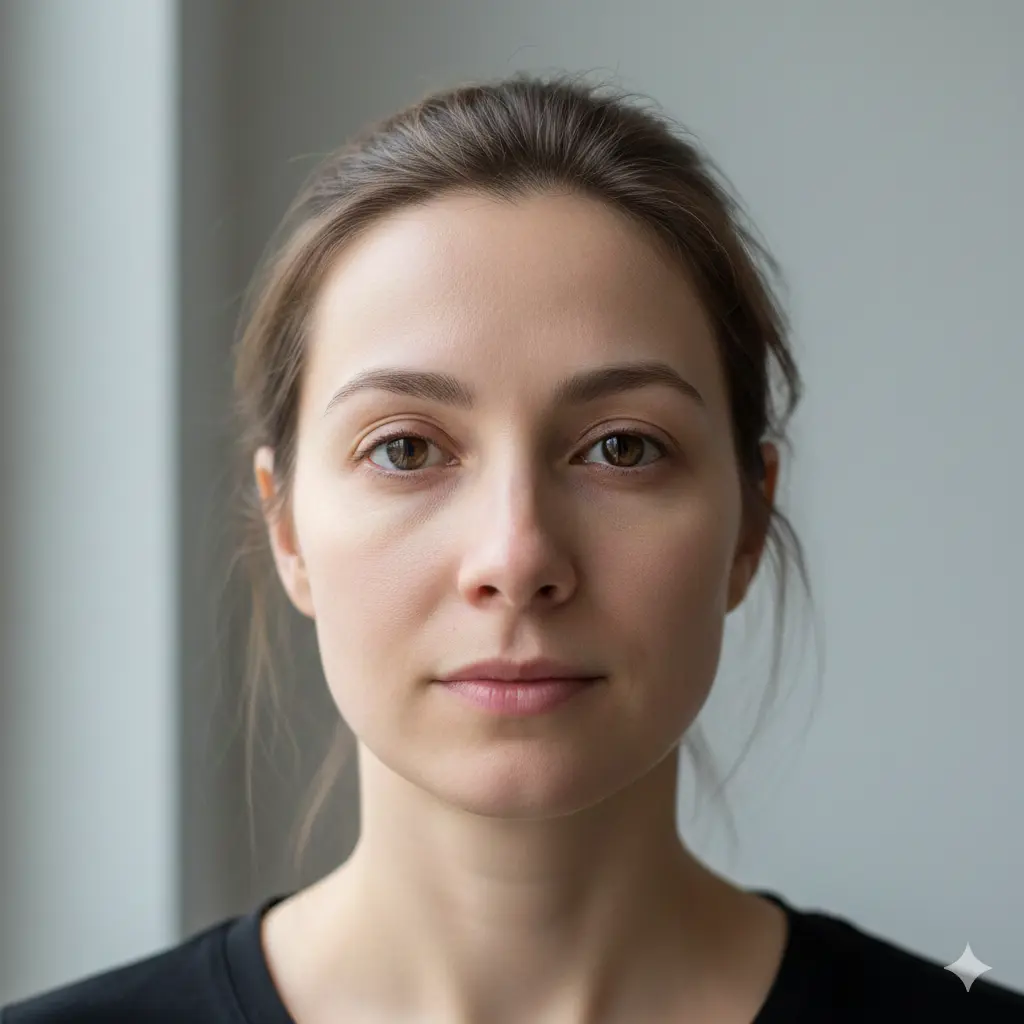
Have you ever looked in the mirror and noticed one eye seems bigger than the other? Maybe it's more obvious in photos. You're not imagining it—and you're definitely not alone.
Here's the good news: asymmetrical eyes are completely normal. In fact, research shows that about 97% of people have some degree of facial asymmetry. Perfect symmetry is actually rare and can even look unnatural.
But that doesn't mean you shouldn't understand what's causing it. Some causes are harmless. Others might need attention. Let's break it down so you know exactly what's going on with your eyes—and what you can do about it.
Is It Normal to Have One Eye Bigger Than the Other?
Yes, it's completely normal. Almost everyone has slight differences between their left and right eye.
The difference usually comes down to two things:
-
Perceived size difference — Your eyes are actually the same size, but the eyelids, brow position, or surrounding tissue make one look bigger.
-
Actual size difference — The eyeball itself or the eye socket (orbital bone) is slightly different on each side.
Most people fall into the first category. The eyes themselves are the same size, but things like a droopy eyelid or uneven brow make them appear different.
Think about it: have you ever seen a celebrity photo where their face looks perfectly symmetrical? That's because it's been edited. Even models and actors have asymmetrical features. It's part of what makes faces look human and recognizable.
The key question isn't whether your eyes are perfectly even. It's whether the asymmetry is:
- Something you were born with (usually harmless)
- Something that appeared suddenly (needs attention)
- Something that's getting worse over time (worth monitoring)
Let's look at the most common causes.
7 Common Causes of Uneven Eyes
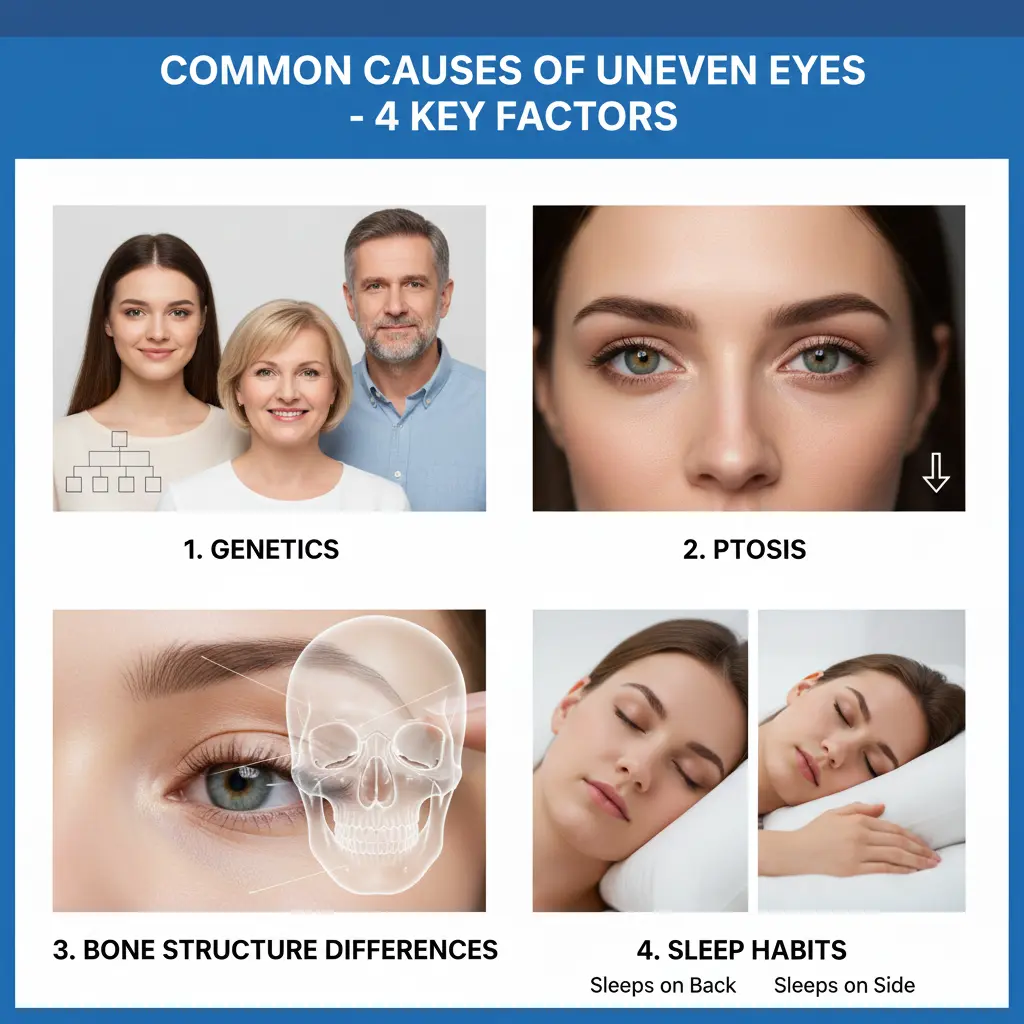
1. Genetics (The Most Common Cause)
Your facial structure is largely determined by your genes. Just like you might inherit your mom's nose or your dad's chin, you can inherit asymmetrical eye features.
This includes:
- Different orbital bone shapes
- Natural eyelid differences
- Brow bone variations
What you can do: This is who you are. If it bothers you, cosmetic options exist (more on that below). But know that genetic asymmetry is completely normal and usually subtle.
2. Ptosis (Droopy Eyelid)
Ptosis (pronounced "TOE-sis") is when one upper eyelid droops lower than the other. This makes the affected eye look smaller, even though the eyeball itself is the same size.
Common causes of ptosis:
- Aging (muscles weaken over time)
- Nerve damage
- Eye surgery complications
- Congenital (born with it)
Signs you might have ptosis:
- One eyelid covers more of your iris
- You tilt your head back to see better
- Eyebrow raised on the affected side (compensating)
What you can do: Ptosis can be corrected with surgery. The procedure (ptosis repair) tightens the levator muscle that lifts your eyelid. Recovery takes 1-2 weeks, and results are usually permanent.
3. Bone Structure Differences
Your eye sockets (orbits) are made of bone. If one socket is slightly larger, deeper, or positioned differently, your eye will look different.
You might notice:
- One eye appears more deep-set
- One eye seems more prominent or forward
- The space between your eye and eyebrow differs
What you can do: Bone structure can't be changed without surgery. However, makeup techniques and certain glasses frames can create the illusion of more balanced eyes.
4. Sleep Habits
Do you always sleep on one side? Over years, this can affect your face.
When you sleep on one side consistently:
- Fluid can pool under the lower eye
- Skin and tissue compress over time
- One side may show more puffiness
What you can do: Try alternating sides or sleeping on your back. Use a silk pillowcase to reduce friction. Morning facial massage can help reduce fluid buildup.
5. Sun Damage and Aging
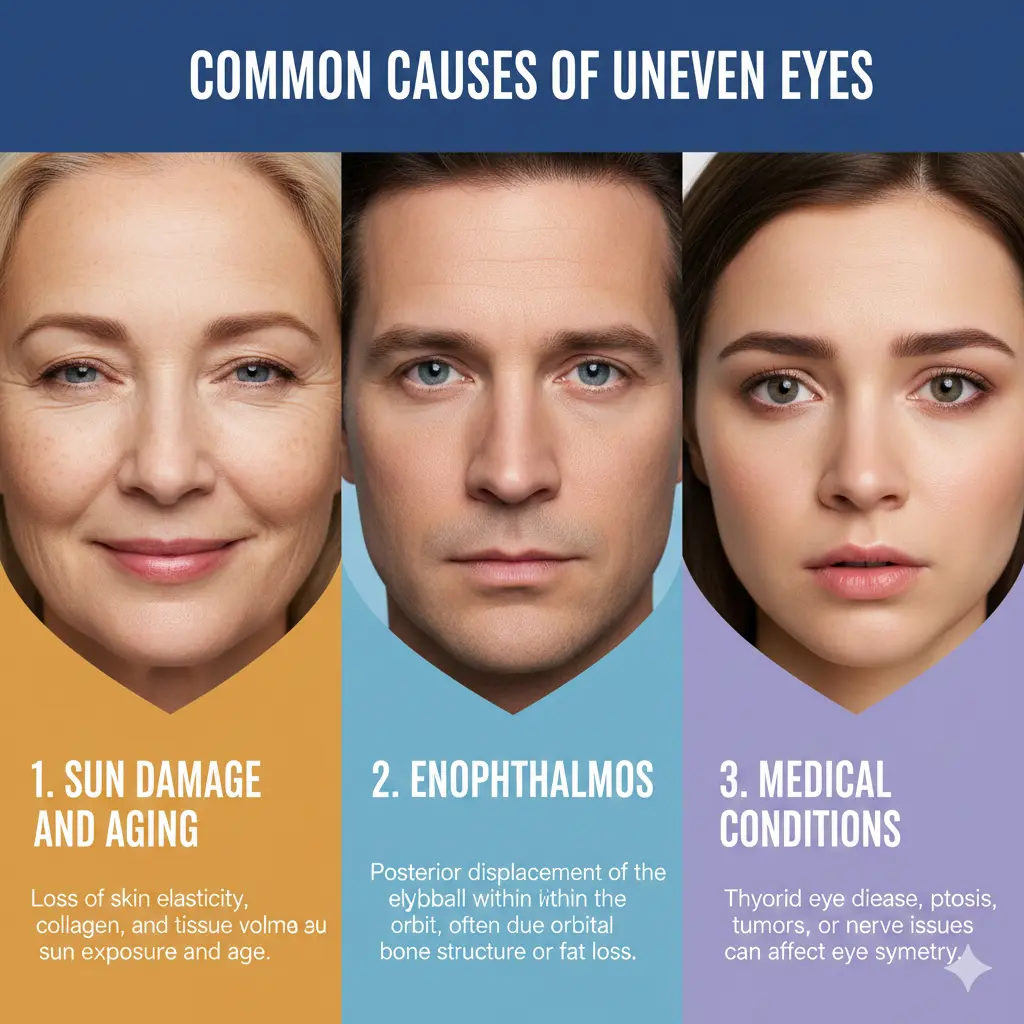 Sun exposure affects each side of your face differently. If you drive a lot, the left side of your face (in the US) gets more sun through the car window.
Over time, this causes:
- Uneven collagen breakdown
- Different wrinkle patterns
- Varied skin texture around the eyes
Aging also affects the fat pads around your eyes unevenly, which can make one eye appear more sunken or hollow.
What you can do: Wear sunscreen daily (yes, even indoors near windows). Consider retinol products to even out skin texture. Fillers can restore lost volume.
6. Enophthalmos (Sunken Eye)
Enophthalmos is when one eyeball sits further back in the socket than the other. This makes that eye look smaller and more deep-set.
Common causes:
- Facial trauma or fracture
- Fat loss around the eye
- Previous surgery
- Aging
What you can do: Treatment depends on the cause. Options include fat grafting, orbital implants, or filler injections to restore volume.
7. Medical Conditions
Sometimes uneven eyes signal an underlying health issue:
Thyroid eye disease (Graves' disease):
- One or both eyes may bulge
- Often comes with other symptoms (weight changes, fatigue)
Bell's palsy:
- Sudden facial drooping on one side
- Usually temporary (weeks to months)
Tumors or growths:
- Can push the eye forward or change its position
- Usually accompanied by other symptoms
Myasthenia gravis:
- Muscle weakness affecting eyelids
- Drooping that worsens throughout the day
If your eye asymmetry appeared suddenly or is getting worse, see a doctor. More on warning signs below.
Warning Signs: When to See a Doctor
Most eye asymmetry is harmless. But certain signs mean you should get checked:
 When to See a Doctor
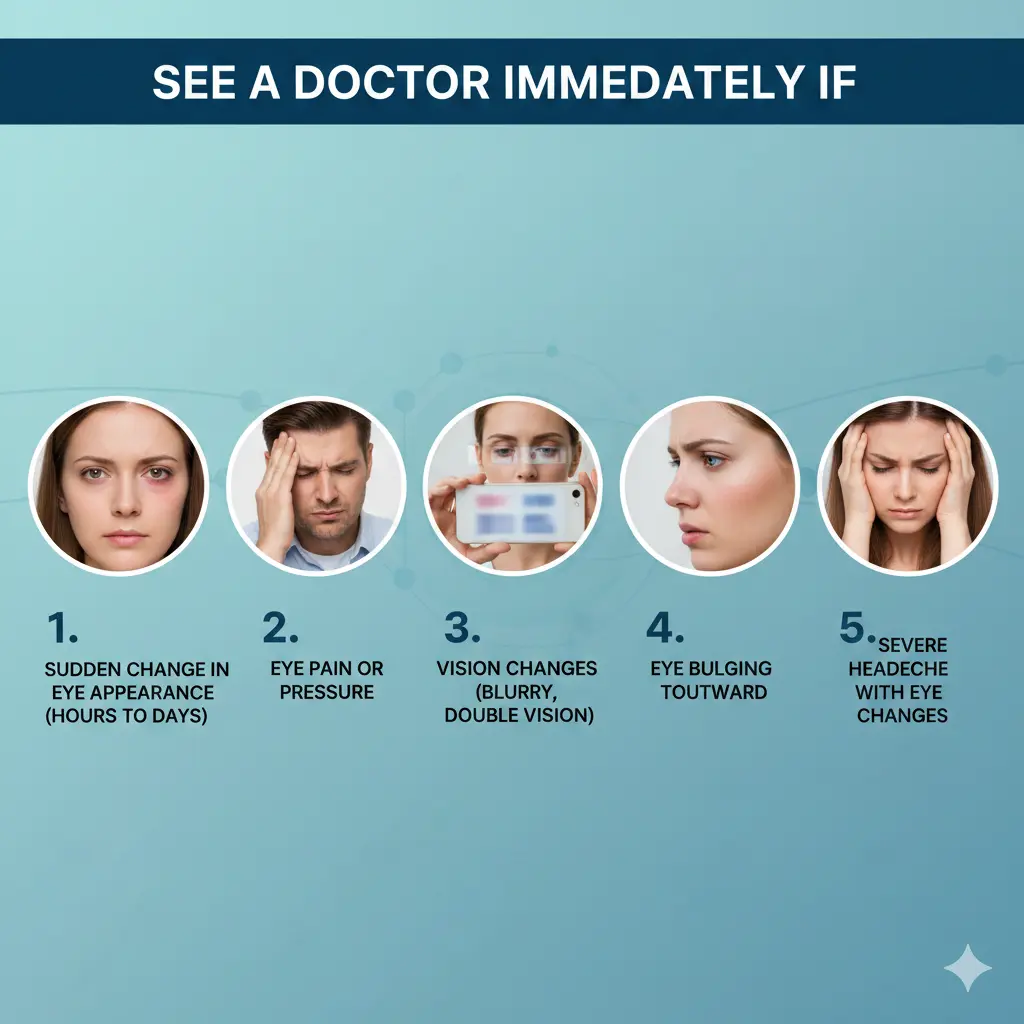
See a Doctor Immediately If:
- ⚠️ Sudden change in eye appearance (hours to days)
- ⚠️ Eye pain or pressure
- ⚠️ Vision changes (blurry, double vision)
- ⚠️ Eye bulging outward
- ⚠️ Severe headache with eye changes
Schedule an Appointment If:
- Your asymmetry has been getting worse over weeks or months
- One eyelid droops enough to affect your vision
- You have other symptoms (fatigue, weight changes, muscle weakness)
- The asymmetry appeared after an injury
What the Doctor Will Check:
- Eye exam — Vision, eye movement, pupil response
- Eyelid measurement — How much of your iris is covered
- Photos — To compare with future visits
- Blood tests — If thyroid disease is suspected
- Imaging — CT or MRI if needed
Don't panic if you notice slight asymmetry that's been there your whole life. That's normal. But new or worsening changes deserve professional attention.
How to Fix Uneven Eyes
Depending on the cause and severity, you have several options—from simple daily tricks to medical procedures.
Non-Surgical Solutions
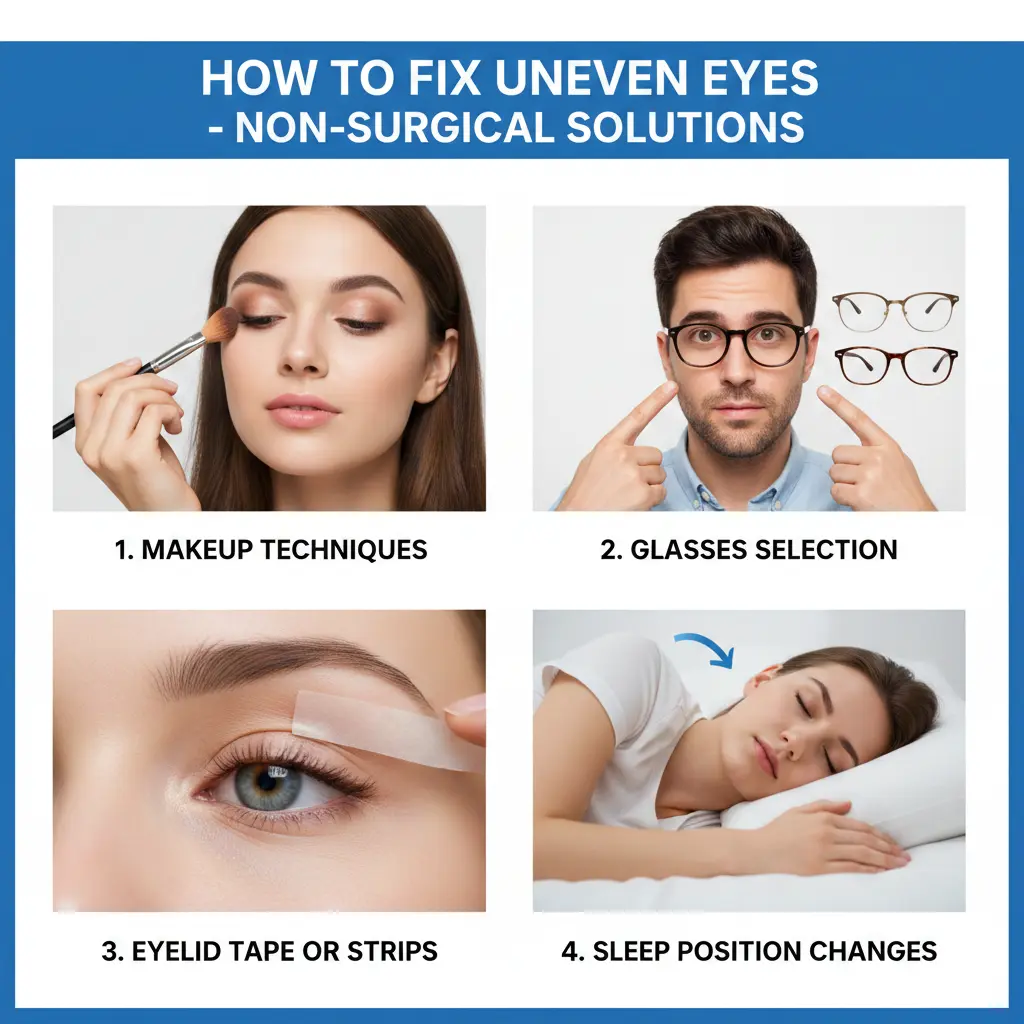 How to Fix Uneven Eyes
Makeup Techniques:
These tricks can make eyes appear more even:
-
Eyeliner placement — Apply liner slightly thicker on the smaller-looking eye to make it appear larger
-
Eyeshadow strategy — Use lighter shades on the smaller eye (light colors make things look bigger) and slightly darker on the larger eye
-
Lash focus — Apply more mascara or use longer false lashes on the smaller eye
-
Brow shaping — A higher arch on the droopier side can lift the appearance of that eye
As one Reddit user shared:
Nonivasively I’d say eyeliner in your top lid to even it out and consider curling your lashes, which makes the eyelid border a little less obvious. Your lashes are straight and slant which drastically shows where your eyelid ends. You could also out on false lashes higher on your lid to make them look symmetrical and fill in the space with eyeliner - r/MakeupAddiction
Glasses Selection:
The right frames can balance asymmetry:
- Frames that sit slightly higher on the smaller eye side
- Thicker frames that draw attention away from asymmetry
- Avoid thin metal frames that highlight differences
Eyelid Tape or Strips:
These adhesive strips create a temporary crease on a droopy eyelid:
- Apply to clean, dry skin
- Position to lift the drooping lid
- Takes practice but can be very effective
- Good for photos or special occasions
Sleep Position Changes:
If fluid buildup is causing puffiness:
- Sleep with your head slightly elevated
- Try sleeping on your back
- Apply cold compress in the morning (5-10 minutes)
Medical Treatments
When you want a more permanent solution:
Ptosis Surgery (Eyelid Lift):
- Tightens the muscle that lifts your upper lid
- Outpatient procedure, local anesthesia
- Recovery: 1-2 weeks of swelling
- Cost: $2,000-$5,000 per eye (often covered by insurance if ptosis affects vision)
Blepharoplasty (Eyelid Surgery):
- Removes excess skin and fat from upper or lower lids
- Can address both functional and cosmetic concerns
- Recovery: 7-14 days
- Cost: $3,000-$7,000
Botox for Brow Lift:
- Injections relax muscles that pull the brow down
- Can subtly lift a drooping brow/lid
- Results last 3-4 months
- Cost: $200-$600 per treatment
Dermal Fillers:
- Restore volume to sunken areas around the eye
- Can balance asymmetry caused by fat loss
- Results last 6-18 months depending on filler type
- Cost: $600-$1,500 per syringe
Which option is right for you? It depends on:
- The cause of your asymmetry
- How much it bothers you
- Your budget and recovery time
- Whether it affects your vision
For a comprehensive guide on all facial asymmetry treatment options, including exercises and lifestyle changes, check out our detailed guide.
Why Your Eyes Look Different in Photos
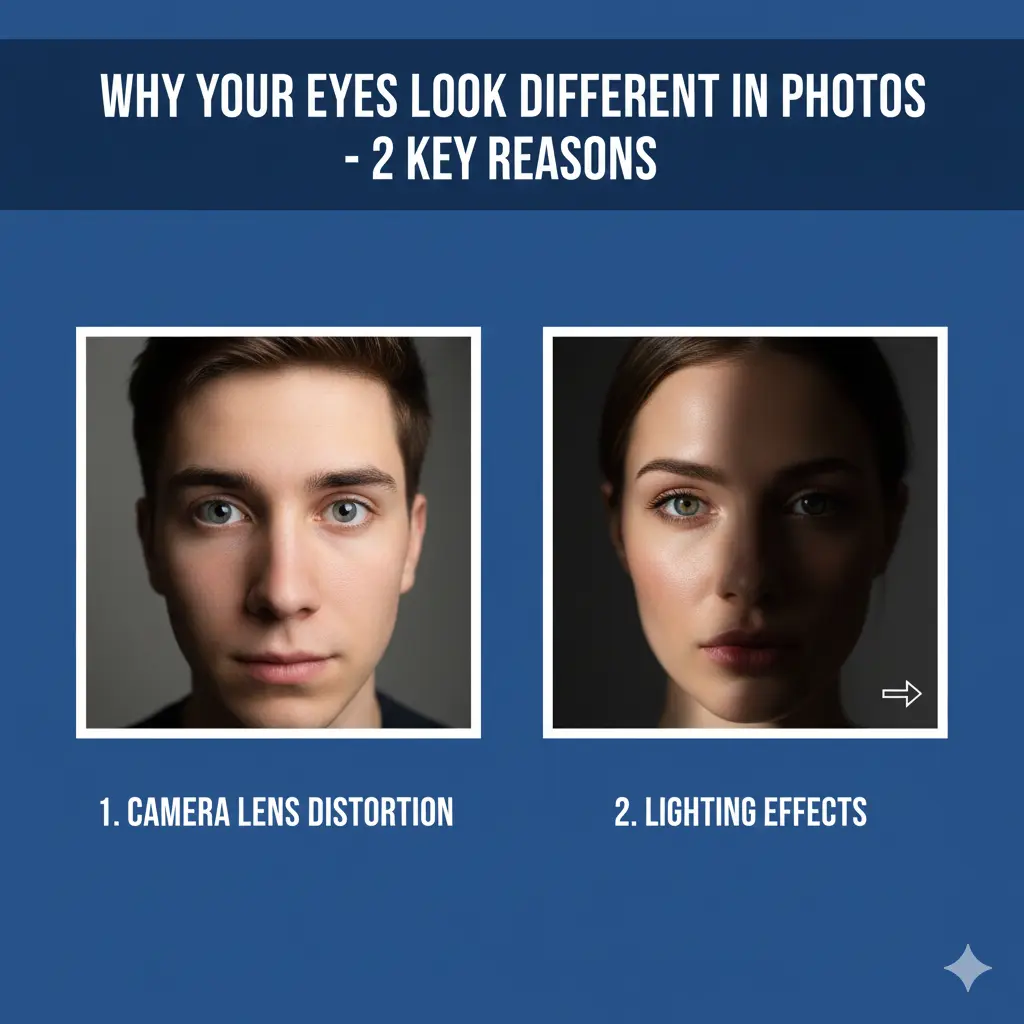 Why Your Eyes Look Different in Photos
Ever notice your eyes look more uneven in photos than in the mirror? You're not imagining it.
Why Your Eyes Look Different in Photos
Ever notice your eyes look more uneven in photos than in the mirror? You're not imagining it.
Camera Lens Distortion
Phone cameras use wide-angle lenses that distort faces. Features closer to the camera appear larger. If you hold your phone slightly to one side, the closer eye looks bigger.
Fix it: Hold your camera at arm's length, centered on your face. Use portrait mode when available—it mimics how eyes actually see you.
Lighting Effects
Uneven lighting creates shadows that exaggerate asymmetry:
- Side lighting makes one eye appear deeper/smaller
- Harsh overhead light emphasizes bags and hollows
Fix it: Face a window or light source directly. Soft, even lighting is most flattering.
Mirror vs. Camera: Which Is Real?
Here's something interesting: what you see in the mirror is actually a flipped version of your face. You're used to seeing yourself this way, so photos (which show what others see) look "wrong."
Neither is more accurate—they're just different views. Others see your face the way cameras capture it.
As one Reddit user in r/beauty explained:
"If you're used to your face in one flip and then flip your image, your distortion is increased two times. For example, you're in the mirror and your left eye is 0.5mm higher than the right eye. It's unnoticeable... But then someone takes a photo of you, and this image is flipped of the version you're used to. You expected your left eye to be 0.5mm higher, but instead it's 0.5mm lower—so your face looks 2x as distorted." — r/beauty
For a deep dive into why mirrors and cameras show different versions of your face, check out our full explanation.
Photo Tips for Asymmetrical Eyes
- Angle your face slightly (about 15 degrees)
- Look at the camera lens, not the screen
- Position your "better" eye closer to the camera
- Soft, diffused lighting minimizes shadows
- Avoid extreme close-ups
Frequently Asked Questions
Can eye exercises fix uneven eyes?
Eye exercises can strengthen eye muscles and may help with minor issues like eye strain. However, they cannot change bone structure or fix ptosis. If your asymmetry is due to muscle weakness, exercises might provide slight improvement. But for noticeable asymmetry, other treatments are more effective.
Do uneven eyes get worse with age?
They can. As we age, we lose collagen and fat around our eyes unevenly. Muscles weaken, skin sags, and any existing asymmetry may become more pronounced. Sun damage accumulated over years also contributes. Good skincare and sun protection can slow these changes.
Can too much screen time cause uneven eyes?
Screen time itself doesn't cause permanent asymmetry. However, squinting at screens can cause temporary muscle fatigue that makes one eye feel different. If you notice one eye feels tired or strained, take regular breaks and check your screen brightness and distance.
Will my child's uneven eyes correct themselves?
Mild asymmetry in children is normal and usually stays the same. However, significant ptosis or eye misalignment should be evaluated by a pediatric ophthalmologist. Some conditions can affect vision development and may need treatment while the visual system is still developing.
Is asymmetry related to uneven face fat?
Sometimes yes. Fat distribution around the eyes is part of overall facial fat. If one side of your face tends to be fuller, this can affect how your eyes appear. Factors like sleep position, chewing habits, and aging all contribute to both eye and overall facial asymmetry.
📖 This article is part of our Complete Guide to Face Symmetry
The Bottom Line
Having one eye that looks bigger than the other is completely normal. About 97% of people have some facial asymmetry—perfect symmetry is actually rare.
Most causes are harmless:
- Genetics (the most common)
- Normal aging
- Sleep habits
- Minor structural differences
But some deserve attention:
- Sudden changes in eye appearance
- Progressive worsening over time
- Accompanying symptoms like pain or vision changes
If your asymmetry has always been there and isn't changing, it's likely just a normal part of your unique face. If you want to minimize its appearance, makeup techniques and proper photo angles work surprisingly well. For more permanent solutions, treatments like ptosis surgery or fillers are safe and effective.
Remember: your asymmetry is part of what makes your face recognizable and human. The things we see as "flaws" often go unnoticed by others.
Curious about your overall facial balance? Try our Face Symmetry Test to analyze your facial proportions and learn more about what makes your face uniquely yours.